Scroll to explore
https://vigilfi.com/
Roast Complete

“Vigilfi is a clean, no-nonsense platform that finally avoids the 'brain training' grift by being transparent and free. As someone who hates how traditional cognitive tests penalize non-neurotypical processing, I appreciate the focus on raw, measurable tasks rather than 'brain age' pseudoscience. It’s a great tool for personal benchmarking, though it lacks the depth I need for real-world application of these skills. I’d use it for a quick mental reset, but it doesn't solve my core frustration with how these metrics are used in professional assessments.”
Biggest friction: The lack of granular, task-specific data analysis; it gives me a score but not the 'why' behind the performance.
Best thing: The commitment to zero data storage and no-nonsense, ad-supported, free access.
Idea Assessment
A suite of browser-based, privacy-first cognitive tests that provide instant, shareable performance metrics.
How the 'percentile rankings' are actually calculated given the lack of persistent user data.
Landing Page
Modern, fast, and refreshingly honest about not being a medical tool.
Missing: Detailed breakdown of how to translate these scores into daily life habits • More robust accessibility features for visual processing barriers
Journey — 18 steps
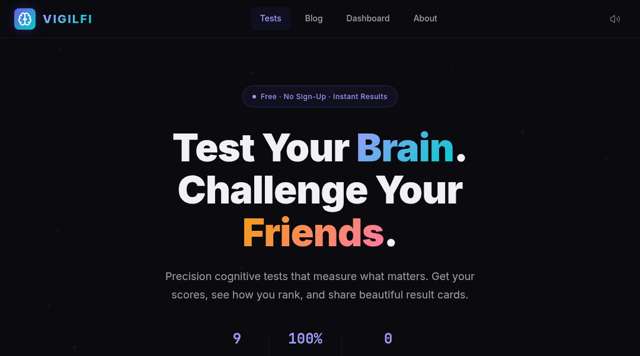
“I like the 'No Sign-Up' promise. It feels like they actually respect my time and privacy.”
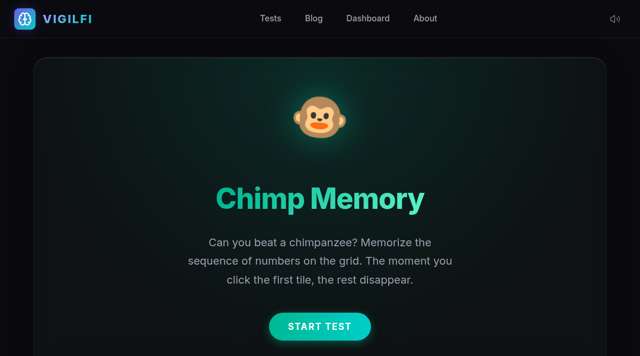
“It's a classic task, but I wonder if the visual layout is optimized for different processing styles.”

“Mental rotation is a standard metric, but I hope this doesn't just rely on standard grid layouts that might be harder for some.”
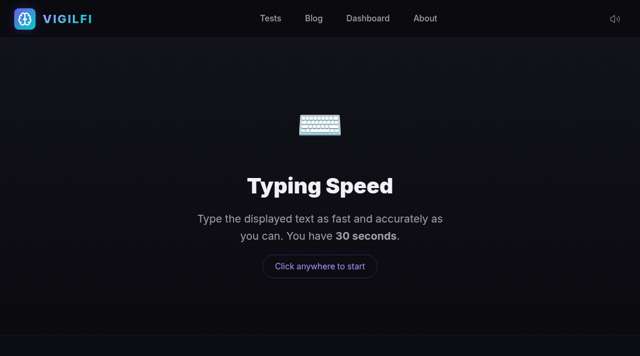
“Simple and effective. I appreciate the focus on accuracy over speed.”
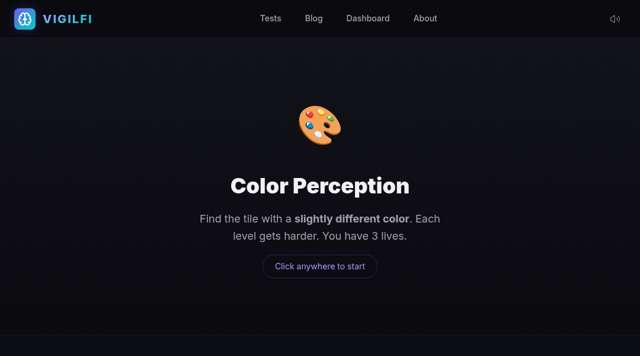
“This is a good test, but I'm always wary of how screen quality affects these results.”

“Miller's Law is a solid foundation. I like that they explain the 'why' behind the test.”

“This is a very relevant test for 2026. I'm curious to see how they define 'human' quirks.”

“Standard, but the sub-millisecond precision mention is a nice touch for the tech-savvy.”

“It's clean, but since I haven't taken any tests, it's a bit empty. I'd like to see more 'how to improve' guides here.”
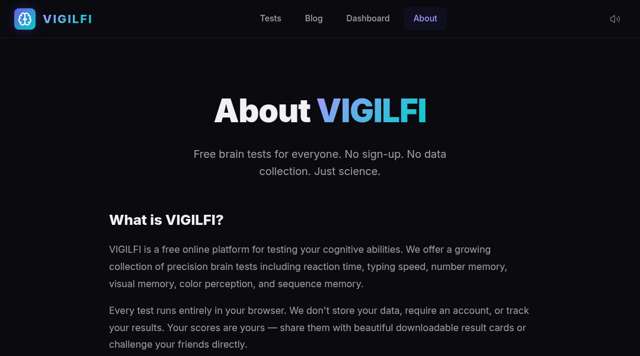
“They really emphasize the 'no data collection' aspect, which is a huge plus for me.”
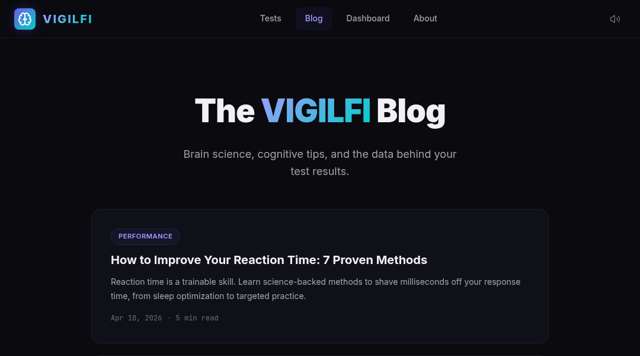
“The topics are actually interesting and not just fluff. I'll definitely read these.”

“Visual-spatial working memory is key. I hope the difficulty scaling is smooth.”

“Short, sweet, and to the point. No hidden clauses.”

“Reminds me of Simon Says. It's a good test of sequential working memory.”
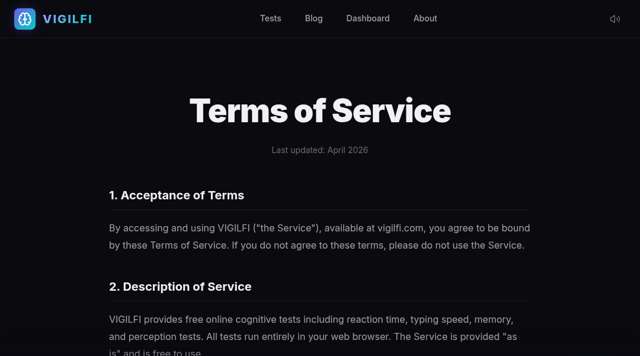
“Standard legal boilerplate, but it clearly states these aren't medical tools.”

“This is a great read. It highlights exactly why I'm skeptical of generic AI output.”
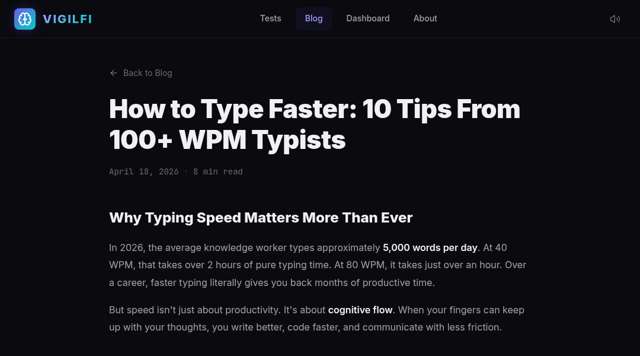
“Practical advice. I love that they emphasize accuracy over raw speed.”
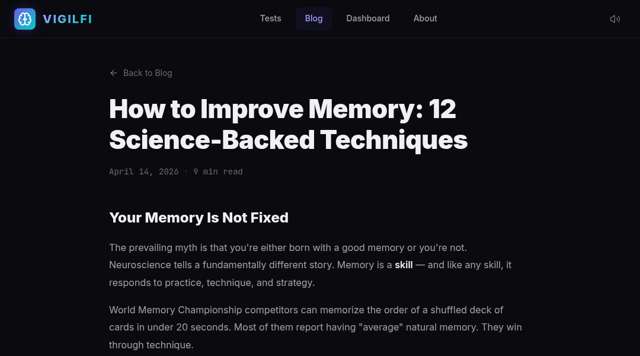
“Finally, some real techniques like the Memory Palace instead of just 'play games to get smarter'.”
Diagnosis
Users are failing to convert because the primary value proposition is buried below the fold, forcing them to scroll to find the core utility. Additionally, the lack of hardware calibration creates skepticism regarding the accuracy of performance metrics, causing high-intent users to doubt the platform's utility.
What costs you conversions
What Works
Action Plan
Move the 'Start Testing' button to the immediate hero area above the fold
CTA located below the fold, requiring user to scroll
CTA button placed prominently in the center of the hero section, immediately visible upon page load
Directly addresses the primary friction point identified by users
Implement a hardware calibration step before the first test
Tests launch immediately without accounting for input lag
A brief 5-second 'input latency check' screen that adjusts the baseline for reaction time metrics
Addresses the 'hardware bias' friction point, increasing trust in data accuracy
Add a 'Professional' mode toggle on the test dashboard
Generic test interface with no distinction between casual and professional use
A toggle switch that filters for 'Validated Cognitive Tasks' with professional benchmarks
Directly addresses Mina Nakamura's concern about the platform feeling like 'brain games'
Add a 'Methodology' tooltip to the results dashboard
Percentiles are displayed without context on how they are calculated
A small '?' icon next to 'Percentile' that reveals a tooltip explaining the calculation methodology
Increases transparency and perceived authority of the platform
Add a 'Science' section link to every test page
Scientific context is present but not explicitly linked to the specific test research
A 'View Research' link in the footer of each test page pointing to the specific papers used
Validates the platform for skeptical users like Mina Nakamura
Quick Wins
Growth Potential
Based on consumer_app benchmarks (Unbounce, Portent, Google)
potential revenue
$15,000/mo
Based on Human Benchmark ($1.2M ARR)
currently realized
72%
$10,800/mo
uplift
-8%
more conversions
Revenue is estimated based on high-traffic ad-supported models (CPM) and potential premium features, scaling with the traffic volume typical of viral cognitive testing sites.